
Get Connected to Help and Hope
There are more ways than ever to get connected with the 24/7 Problem Gambling HelpLine. Call or text 888-ADMIT-IT (236-4848), open a live chat on this website, email us at fccg@gamblinghelp.org, download the free mobile app, or connect with us on social media, such as Facebook and Twitter.
Self-Assessment Quiz
Worried about your gambling? It only takes a minute to take our free Self-Assessment Quiz to learn the warning signs of gambling addiction and see if you may be at risk.
We are the FCCG.
We are 888-ADMIT-IT.
Thousands of people contact the 888-ADMIT-IT HelpLine each year for help and information, and millions more have been exposed to the number and the services and resources the Florida Council on Compulsive Gambling (FCCG) provides to Floridians suffering from the impacts of problem gambling. Learn more about FCCG.
WHO WE ARE
Help and hope for problem gambling are available 24/7 in Florida.
As the 24/7, Confidential, and Multilingual Problem Gambling HelpLine for the entire state, 888-ADMIT-IT is the gateway to a series of free services which are not available anywhere in Florida, online, or elsewhere.
Help seekers receive timely and updated resources as well as up-to-the-minute problem-gambling-related news, research, and information, along with FCCG’s tailored programs and services, available for both gamblers and their loved ones.
❖
ABOUT THE HIDDEN ADDICTION
What is problem gambling?
A gambling addiction can be devastating. This disease affects a person’s self-worth, their relationships with others, their financial livelihood, and so much more. Problem and compulsive gambling is referred to as a “hidden addiction”, because suffering persons often appear normal on the outside. Like alcohol and substance abuse, the disorder does not discriminate and affects persons from all backgrounds and walks of life.
❖
Learn How Gambling Addiction Impacts Individuals
PROBLEM GAMBLING CAN BE HARD TO SPOT. DISCOVER THE SIGNS.
Problem Gambling Does Not Discriminate
Gambling addiction does not discriminate and affects people across all ages, ethnicities, income/education levels, and financial situations, causing financial problems, family conflict and neglect, legal problems, mental health issues, and even suicidal ideation and attempts, among other impacts.

Adults
A gambling problem can negatively affect an individual’s home life, financial status, career, education, social relationships, and physical and emotional health.
Read More
Loved Ones
A gambling addiction extends beyond the gambler. Family members and friends are often severely impacted by the gambler’s behaviors and activities.
Read More
Youth
Teens with gambling problems often have much higher rates of alcohol, drug, and tobacco use, struggle with depression, and are more likely to commit crimes.
Read More
College Students
College students with a gambling problem can risk ruining their lives at a period in time when they are first gaining independence.
Read More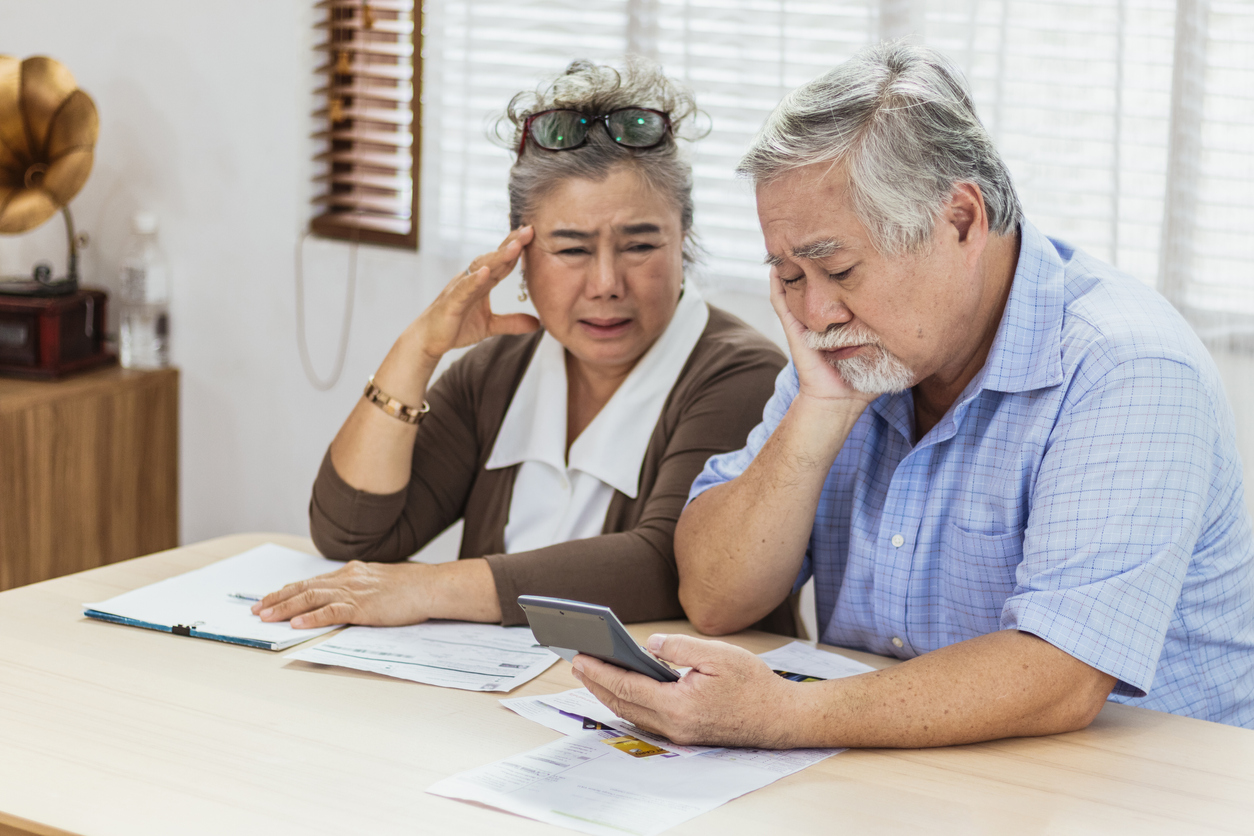
Seniors
When gambling becomes a problem among seniors, it can be particularly challenging since it occurs at a time when recouping financial losses can be very difficult, if not impossible.
Read More
Impaired Professionals & Others
A wide range of professionals, including doctors, lawyers and judges, athletes, and others, are among those most likely to be at risk for developing a gambling problem.
Read MoreHear a First-Hand Account of Problem Gambling
When you first hear what problem gambling can do to an individual, their loved ones, and their lives, you might not believe it. The Betty White story featured here is just an example that brings to the surface the threat facing hundreds of thousands of Floridians each day. The good news is that help and hope are available — even in the most dire situations — through the 24/7, Confidential, and Multilingual Problem Gambling HelpLine: 888-ADMIT-IT.
Recovery is Possible. Treatment is Available.
It all starts with the first (but not necessarily the last) completely free and confidential contact to the 888-ADMIT-IT HelpLine. Floridians at all stages of the recovery process make contact every day to get connected to proven resources tailored to their specific situations. When it comes to problem gambling, it’s never too soon or too late to begin the journey to recovery. Worried about your gambling or a loved one’s? Contact 888-ADMIT-IT today.
It is now four and a half years since I’ve made my last bet. I have a decent life again. I have a relationship with my kids. My life is actually decent, you know? It’s good to be able to smile and even talk about this. If I could just help one person from destroying their life like I did…it would be my biggest goal and my biggest dream.
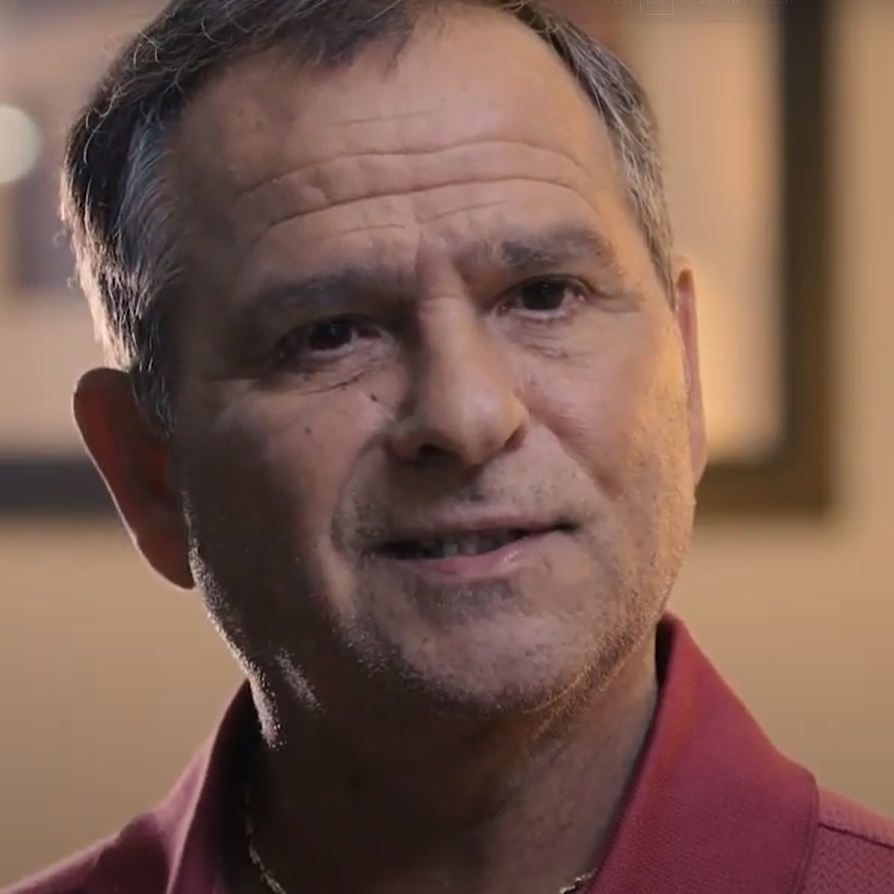
John
Contacted the 888-ADMIT-IT HelpLine
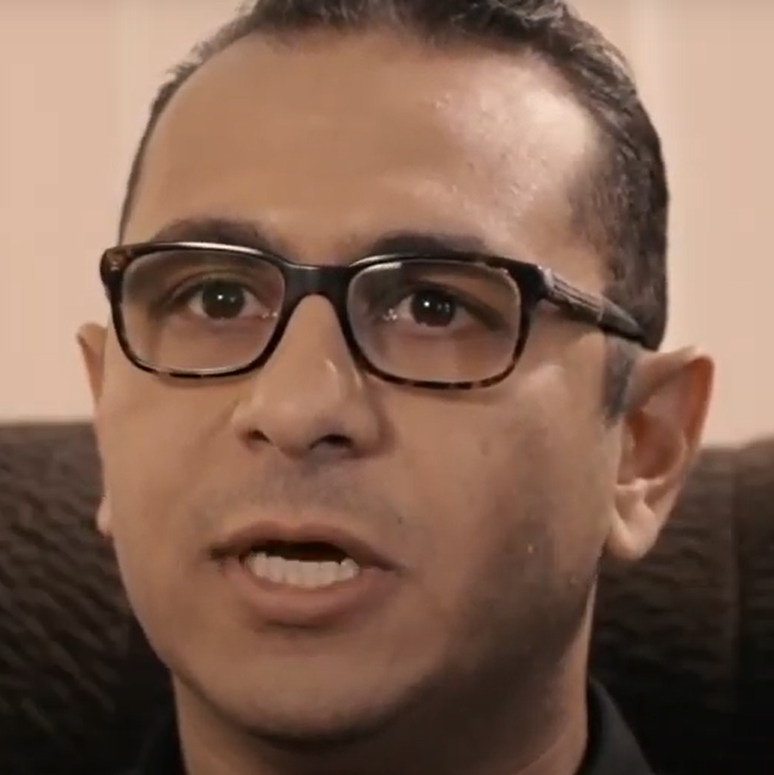
The ability to enjoy sunsets and just relax one day if I wanted to — I wasn’t going to have any of that without the program, without my therapy, without that call that I made that day on January 15th. I was not going to have any of that — I owe it to all of them. The time that I go and meditate at least once a week and watch the sunset — that is truly my enjoyment. I enjoy every moment of it.
Michael
Contacted the 888-ADMIT-IT HelpLine
By the grace of God, a great sponsor, the program, and great doctors, I made it. But now I’ve more than made it. For the first time in…I’m 73 almost, so for the first time in 60-some years, I can say I’m a good person, and I like myself. I look straight in the mirror, and I like the reflection. There was a long time I couldn’t do that.

Janice
Contacted the 888-ADMIT-IT HelpLine
[When I called the 888-ADMIT-IT HelpLine] , they just let me know that I’m not alone. They gave me all kinds of meeting lists and information and education and resources. It’s a miracle. And I’m very, very grateful for every breath I take.
![[VIDEO] Impacts of Problem Gambling Video Screenshot](https://gamblinghelp.org/wp-content/uploads/2023/05/cropped-Impacts-of-Problem-Gambling-Video-Screenshot.jpg "cropped-Impacts-of-Problem-Gambling-Video-Screenshot.jpg")
Lee
Contacted the 888-ADMIT-IT HelpLine
Right now, I’m pretty happy with myself. It’s really cool to like yourself for a change. It really, really is. I can’t begin to tell you how much of a difference it’s made in my life.

Tom
Contacted the 888-ADMIT-IT HelpLine
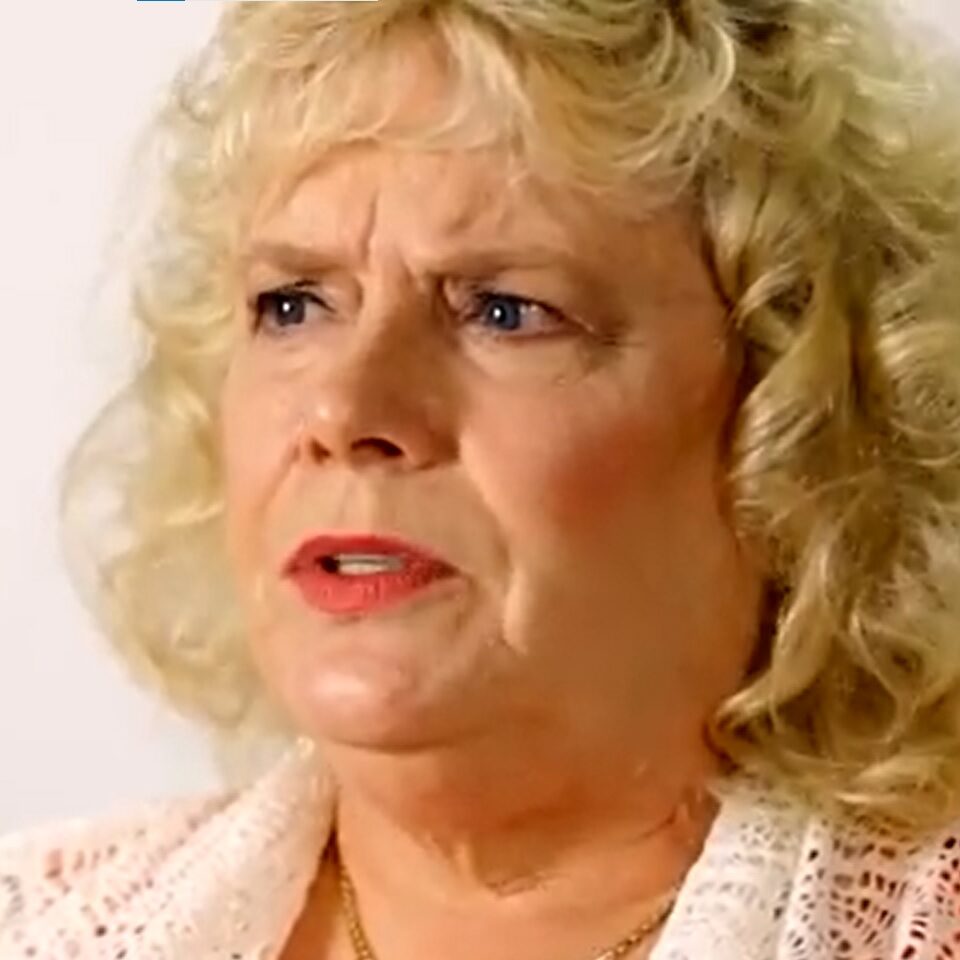
Without the Florida Council, I don’t know where I’d be today. They helped save my life…and it’s just so important that people reach out, that we touch more people, [that] the counselors that are out there realize…let’s just not let this happen to one more person.
Betty
Contacted the 888-ADMIT-IT HelpLine
March is Problem Gambling Awareness Month
Problem Gambling Awareness Month (PGAM) in a national grassroots advocacy campaign that occurs each year in March, and provides the opportunity for heightened problem gambling awareness, both in the state of Florida and across the country. During each annual PGAM campaign, the FCCG leverages the national spotlight on gambling addiction to provide widespread education and awareness about the disorder and resources available for help through the 888-ADMIT-IT HelpLine. Learn more, become a PGAM partner, and follow along with the campaign on the PGAM Microsite.
VISIT PGAM MICROSITEWorried about your gambling or that of a loved one? Contact the HelpLine today.
Facts About Problem Gambling
For most, gambling is a form of recreation that doesn’t cause harm. But when gambling becomes a problem, the impacts can be devastating. How big of an issue is gambling addiction in Florida, and who is affected?
2021-2022 Annual HelpLine Report: Highlights
Contacts made to the FCCG’s 888-ADMIT-IT Problem Gambling HelpLine during the 2021-2022 Fiscal Year continue to provide evidence that Floridians suffering from the negative effects of a gambling problem are in dire need of immediate supports. This video covers the most notable findings in the 2021-2022 Annual HelpLine data analysis.
CONNECT WITH THE APP
888-ADMIT-IT also has a free mobile app.
Download the free 888-ADMIT-IT mobile app to stay connected with the HelpLine and resources for problem gambling. Available on both Apple and Android devices, the app allows users to contact the HelpLine in just one or two taps, take a Self-Assessment Quiz to help detect problematic gambling behaviors, learn about the FCCG’s Online Program for Problem Gamblers (OPPG), see problem gambling prevention tips, discover the warning signs of gambling addiction, and more.
APPLE DEVICESANDROID DEVICES![[IMAGE] 888-ADMIT-IT Mobile App](https://gamblinghelp.org/wp-content/uploads/2023/03/cropped-888-ADMIT-IT-Mobile-App-Graphic.png "888-ADMIT-IT Mobile App")
Resources for Help-Seekers
The 888-ADMIT-IT HelpLine is staffed 24 hours per day, 365 days a year to continue to provide supportive interventions and information to individuals who are adversely impacted by a gambling or gambling-related problems. Individuals include gamblers, spouses/significant others (often referred to as loved ones), children, parents, relatives, friends, co-workers, employers, and anyone else seeking resources and information regarding a gambling problem.

888-ADMIT-IT HelpLine
The FCCG operates the statewide Problem Gambling HelpLine service 888-ADMIT-IT, providing free, confidential, and multilingual problem gambling assistance via telephone call, text message, email, and live chat available on its gamblinghelp.org website to thousands of contacts each year, from gamblers and their loved ones, to professionals and affected others.
Read More
Online Program (OPPG)
For those seeking on-demand options, or who lack insurance, or the ability to pay for in person counseling services, the 888-ADMIT-IT HelpLine provides problem gamblers with immediate access to interactive problem gambling supports, through the FCCG’s Online Program for Problem Gamblers (OPPG).
Read More
Peer Connect Program
The FCCG’s Peer Connect Program provides gamblers and loved ones with the opportunity to speak to someone in recovery, or a loved one of someone in recovery. This program aims to motivate individuals to take necessary steps towards stopping gambling and rebuilding their lives, personally, professionally, and financially when necessary, through peer-to-peer support.
Read More
Counseling Services
Treatment from trained professionals can assist in finding ways to cope with stress and begin recovery from a gambling addiction. The FCCG refers help seekers (problem gamblers and other affected individuals) to its network of licensed mental health treatment providers who are certified to treat gambling addiction.
Read More
Self-Exclusion Programs
Self-Exclusion Programs are provided as a resource through the 888-ADMIT-IT HelpLine as a tool to help people control their gambling behavior and restrict access to money, gambling venues, and gambling platforms for those in need.
Read More
Self-Help Support Groups
The 888-ADMIT-IT HelpLine offers referrals to self-help groups, such as Gamblers Anonymous and Gam-Anon, which can assist individuals with tools for recovery and can provide insight that they are not dealing with problem gambling alone. Self-help groups offer the opportunity to identify with others through a shared group experience, and furnish ongoing and lifelong support.
Read More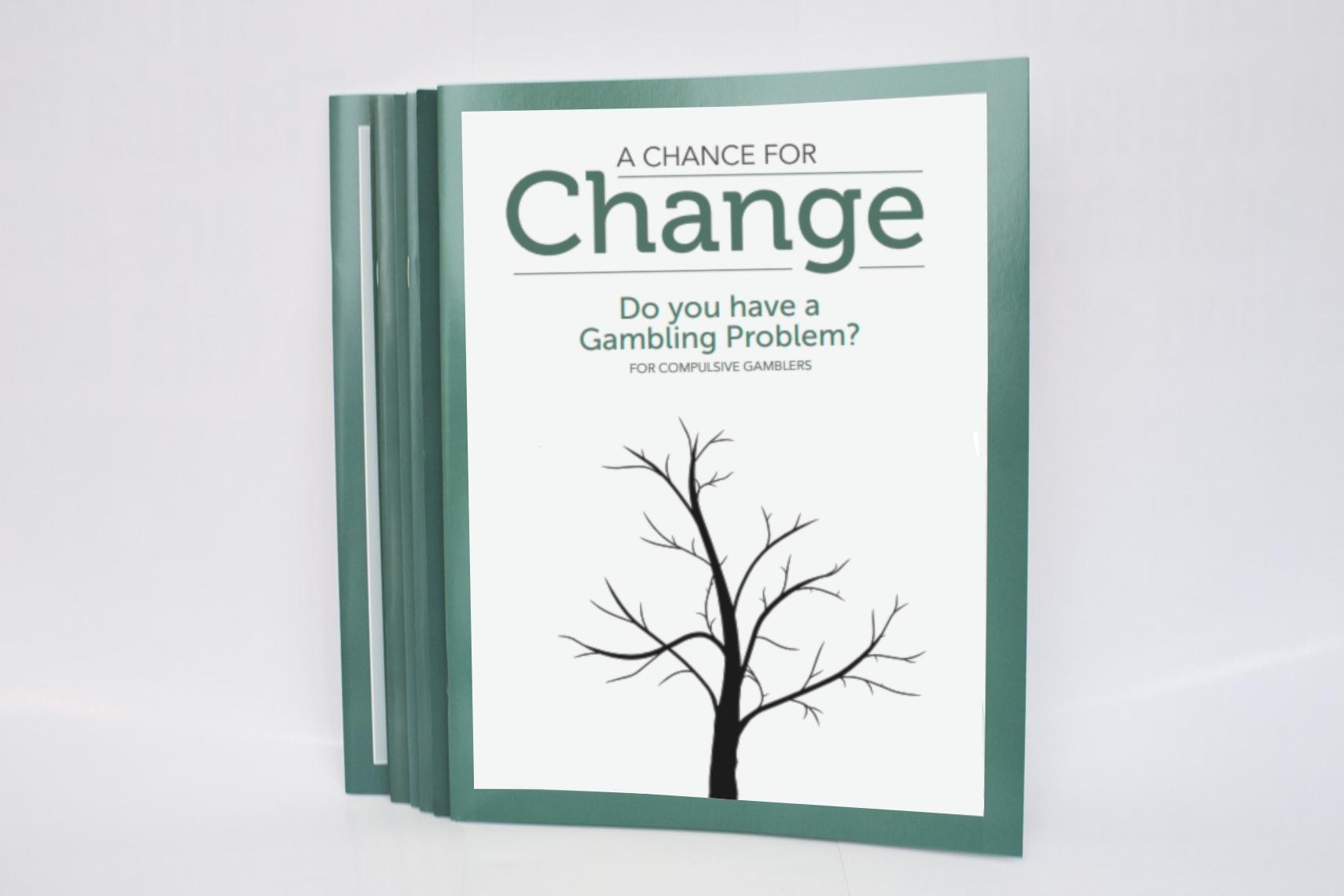
Self-Help Literature
As the flagship of its robust self-help literature offerings, the FCCG’s “A Chance for Change” recovery workbook series closely examines how individuals can escape the grips of problem and compulsive gambling through such strategies as creating and maintaining a plan for positive change, dealing with financial and legal problems, and taking charge of one’s life.
Read More
Financial Resources
The burden of financial problems is frequently overwhelming for many of the individuals who contact the HelpLine. The FCCG offers HelpLine contacts both emergency and non-emergency financial resources. Likewise, it is not uncommon for problem gamblers to experience legal problems due to their addiction, and the 888-ADMIT-IT HelpLine offers resources in this arena as well.
Read More
Legal Resources
It is not uncommon for problem gamblers to experience legal problems due to their addiction. Whether it be criminal in nature (embezzlement, theft, fraud, etc.) or civil (divorce, foreclosure, bankruptcy etc.), the FCCG provides expert assistance and resources for those faced with any type of legal action in a gambling related case, completely free of charge.
Read More
Population-Specific Resources
The FCCG’s Population Specific Programs, Resources, Literature, and Materials are designed specifically for specific populations, including College Students, Women, Military Members, Veterans and their Families, Seniors, and Adolescents / Teens and their Parents, who are experiencing gambling-related problems, as well as for the professionals who serve these populations.
Read More
Impaired Professionals Programs
Impaired Professional Programs are designed for a wide range of professionals who are among those most likely to be at risk for developing a gambling problem, including doctors, lawyers, judges, athletes, and others, and provide self-help/treatment options in non-public settings to address the challenges of utilizing traditional resources.
Read More
Hotlines/Crisis Lines & Social Services/Emergency Assistance
In the event individuals are in need of assistance for a non-gambling related or other traumatic issue, the FCCG refers to National Hotlines and Crisis Lines for additional specialized supports and resources as a wrap-around service. The FCCG also provides access to emergency supports through a wide range of vital social services referrals.
Read MoreResources for Professionals
The Florida Council on Compulsive Gambling is known for its 888-ADMIT-IT HelpLine and has been providing leadership on the subject of problem gambling in Florida for over 30 years. Additionally, the FCCG HelpLine furnishes information, supports, and training for qualified addictions/mental health/other medical professionals, gambling operators, employers, and others in providing services and supports to the population negatively affected by gambling within the Sunshine State. Learn more about our programs and services for professionals below.

Community Outreach Programs and National Problem Gambling Awareness Month (PGAM)
The FCCG provides an array of community outreach services, as compulsive gambling transcends throughout every aspect of the marketplace. The FCCG works year-round to raise awareness about problem gambling, leads Florida’s PGAM campaign in March of each year, and acts as an advocate and a voice in policy concerning gambling addiction at the state level.
Read More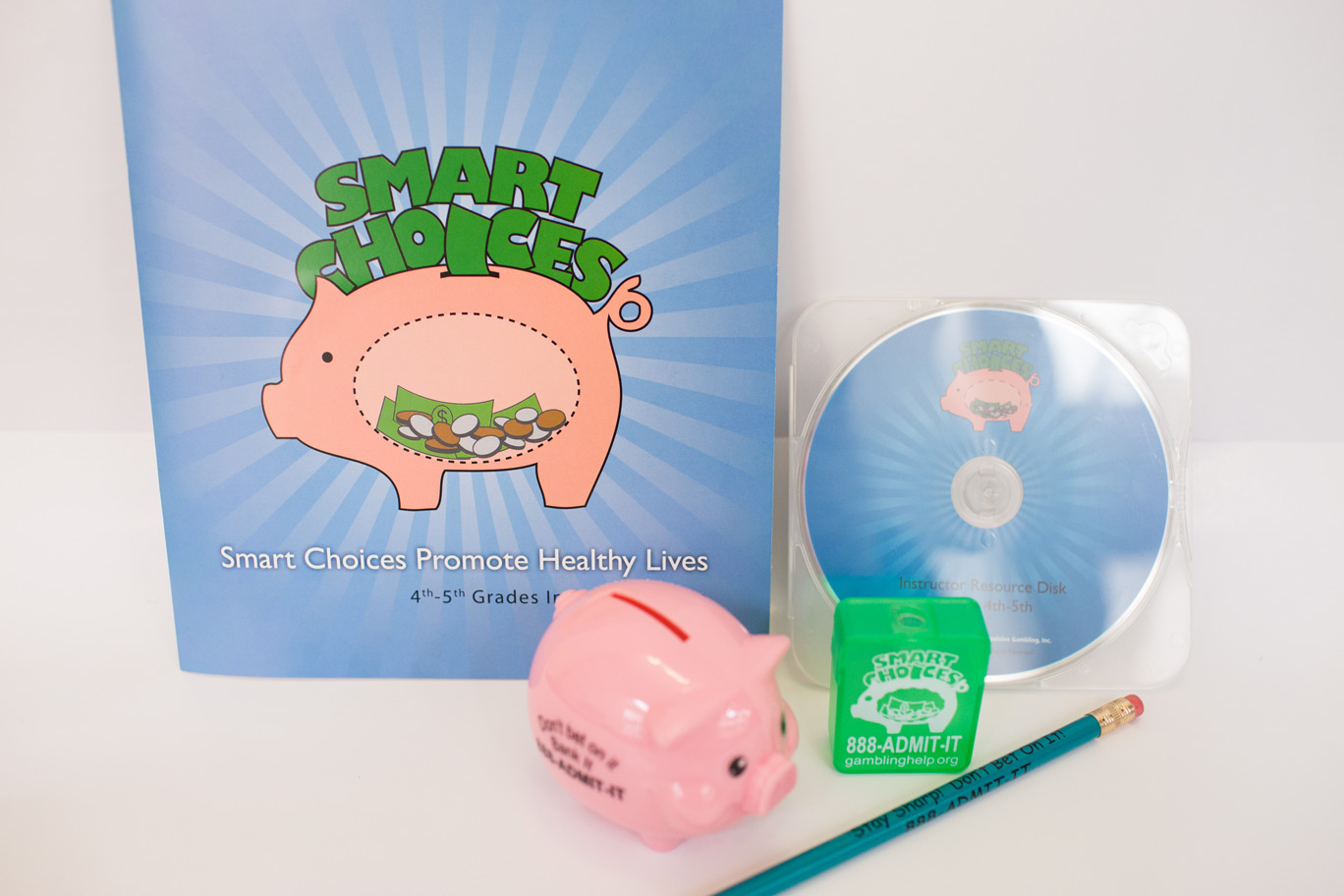
Problem Gambling Prevention Programs for Youth and College Students
The FCCG’s prevention and responsible gambling approaches and programs, like other FCCG initiatives, are derived from a gambling neutral perspective and created based upon sound knowledge and understanding of the target population in any specific area, as opposed to a “one-size-fits-all” model or approach.
Read More
Responsible Gambling and Player Protection Program (RGPPP) for Industry
The FCCG provides Florida gambling industry operators with information and training, and has furnished print and collateral materials featuring the 888-ADMIT-IT HelpLine for patron access to problem gambling supports, through its Responsible Gambling & Player Protection Program (RGPPP).
Read More
Evidence-Based Research on the Issue of Problem Gambling in the State of Florida
The FCCG’s approach to development of compulsive gambling prevention, education, responsible gambling, and other related programming initiatives, is research driven. FCCG programs are based upon evidence-based research, conducted in the State of Florida to assure population appropriateness and effectiveness.
Read More
Certification Training and Continuing Education Modules for Treatment Providers
An important role of the FCCG is the continued training of treatment providers, mental health workers, clinical social workers and marriage and family therapists throughout the state. This has been accomplished through multiple webinars, online training modules and outreach activities conducted to promote the FCCG’s programs and services to diverse audiences throughout the state of Florida.
Read More
Training and Programming for Legal, Criminal Justice, and Court Professionals
The FCCG has developed programming that empowers and educates professionals in the judicial system to understand the uniqueness of compulsive gambling and offers suggestions on how to approach sentencing, probationary guidelines, and other legal facets when dealing with someone who is addicted to gambling.
Read More
Programs and Materials for Senior Service Providers
The FCCG has developed a variety of senior specific programs and resources offering a comprehensive approach for diverse elder service providers in recognizing the signs of a gambling problem in the population served. FCCG senior specific programs address common situations that seniors encounter, identify age appropriate solutions, and offer viable approaches to prevention, assessment, intervention, treatment, and outreach efforts.
Read More
Programs and Materials for Military and Veteran Service Providers
Recent research reveals that as many as 56,000 active duty members of the Armed Forces meet the criteria for gambling disorder, and studies have shown that veterans have elevated rates of gambling problems, at least twice the rate of the general adult population. The FCCG provides FREE services and supports to mental health professionals and others servicing this population.
Read MoreFollow Our Blog & Learn More About
Problem Gambling
For those who suffer from gambling disorder and their loved ones, the impacts touch upon nearly every aspect of life. The FCCG’s blog is a deep dive into everything problem gambling, from resources available for gamblers and loved ones, to seasonal concerns, prevention tips, awareness events, and more.

Mantener Intactos los Valores y Creencias es Importante al Vivir con Juego Problemático
Si vives con alguien que sufre de juego problemático, es posible que hayas descubierto que has perdido una parte de ti mismo en la relación. Puede que hayas sacrificado algunos[…]
Read more
How to Set Realistic Goals for Success in Problem Gambling Recovery
If you are considering that your gambling may be getting out of control, here is something to consider: in what ways does gambling fulfill you? Many gamblers start off gambling[…]
Read more![[IMAGE] Highlighting Gambling Disorder During National Minority Health Month](https://gamblinghelp.org/wp-content/uploads/2024/04/iStock-1630414936-e1712580816247.jpg)
WEB LETTER: Highlighting Gambling Disorder During National Minority Health Month
It is always a good time to check in on everyone around us to and ask if they are doing alright, both mentally and physically. Did you know that April[…]
Read moreGet blog updates in your inbox!
Contact Us
Want to learn more about problem gambling? Are you a professional that works with this population? Whatever you’re looking for, feel free to reach out using the form below. For immediate or anonymous assistance, please contact the 888-ADMIT-IT HelpLine.

Connect with Us
Follow the FCCG on social media to be in the know about the latest problem gambling news and HelpLine updates.